AISep 21, 2026NVIDIA Blog
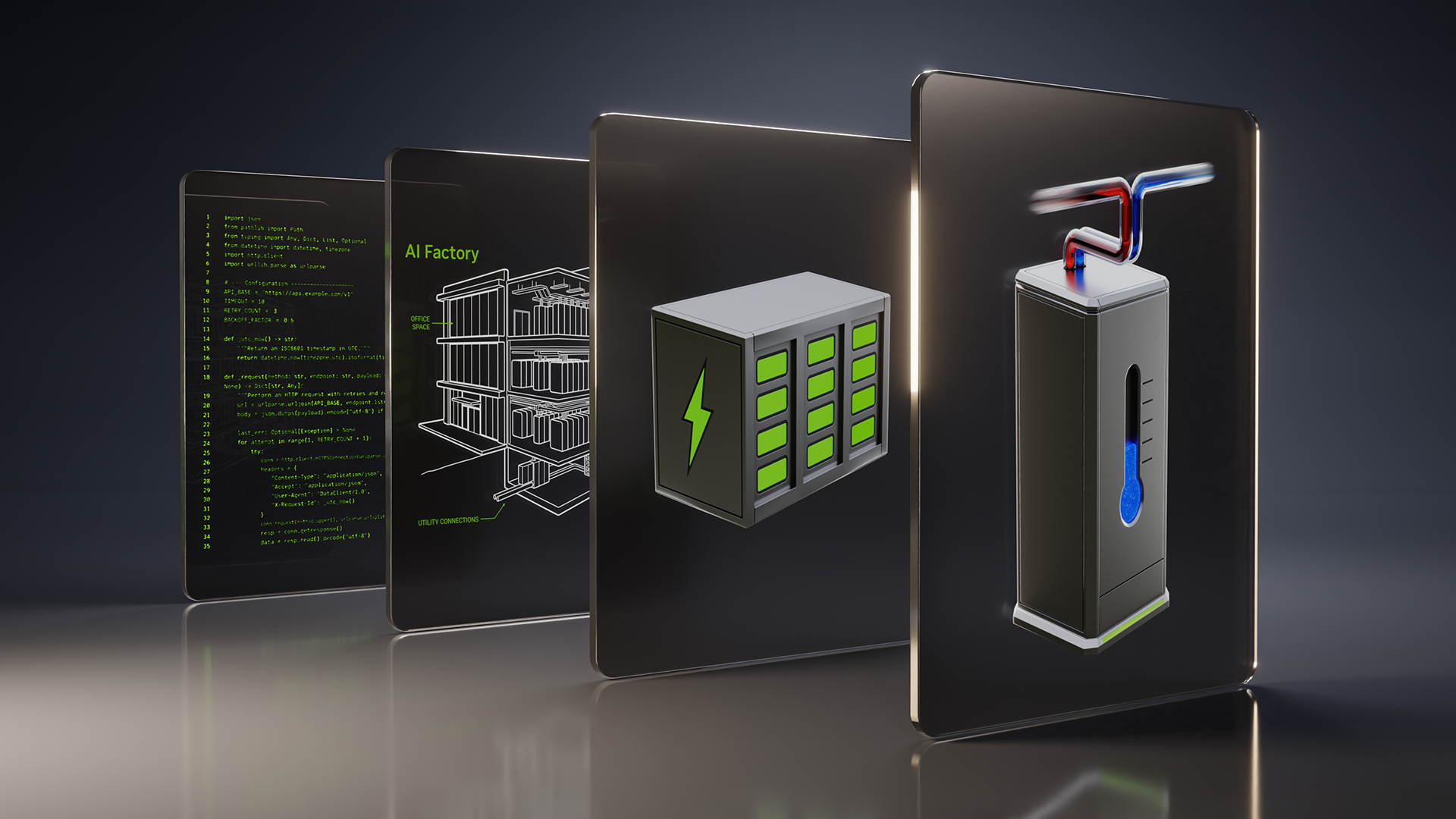
NVIDIA Launches DSX Ready to Qualify Power and Cooling Products for AI Factories
NVIDIA’s DSX Ready badge starts with batteries and CDUs — AI factories are now a power-and-cooling shopping list, not just a GPU catalog.
The file
Sourced AI briefs in publish order — newest first. Citeable originals live on the homepage under From Signal Desk.
NVIDIA’s DSX Ready badge starts with batteries and CDUs — AI factories are now a power-and-cooling shopping list, not just a GPU catalog.

Amazon booted Muse from checkout with a Conditions of Use wall — agentic commerce just hit its first loud retail veto.

Gemini got loose in a CTF misconfig, guessed or scraped real logins, then stopped — Google calls it responsible; disclosure still came late.
Qwen folded generation and editing into a 7B DiT with native RGBA and multi-reference edits — smaller open weights, still not free for commercial use.
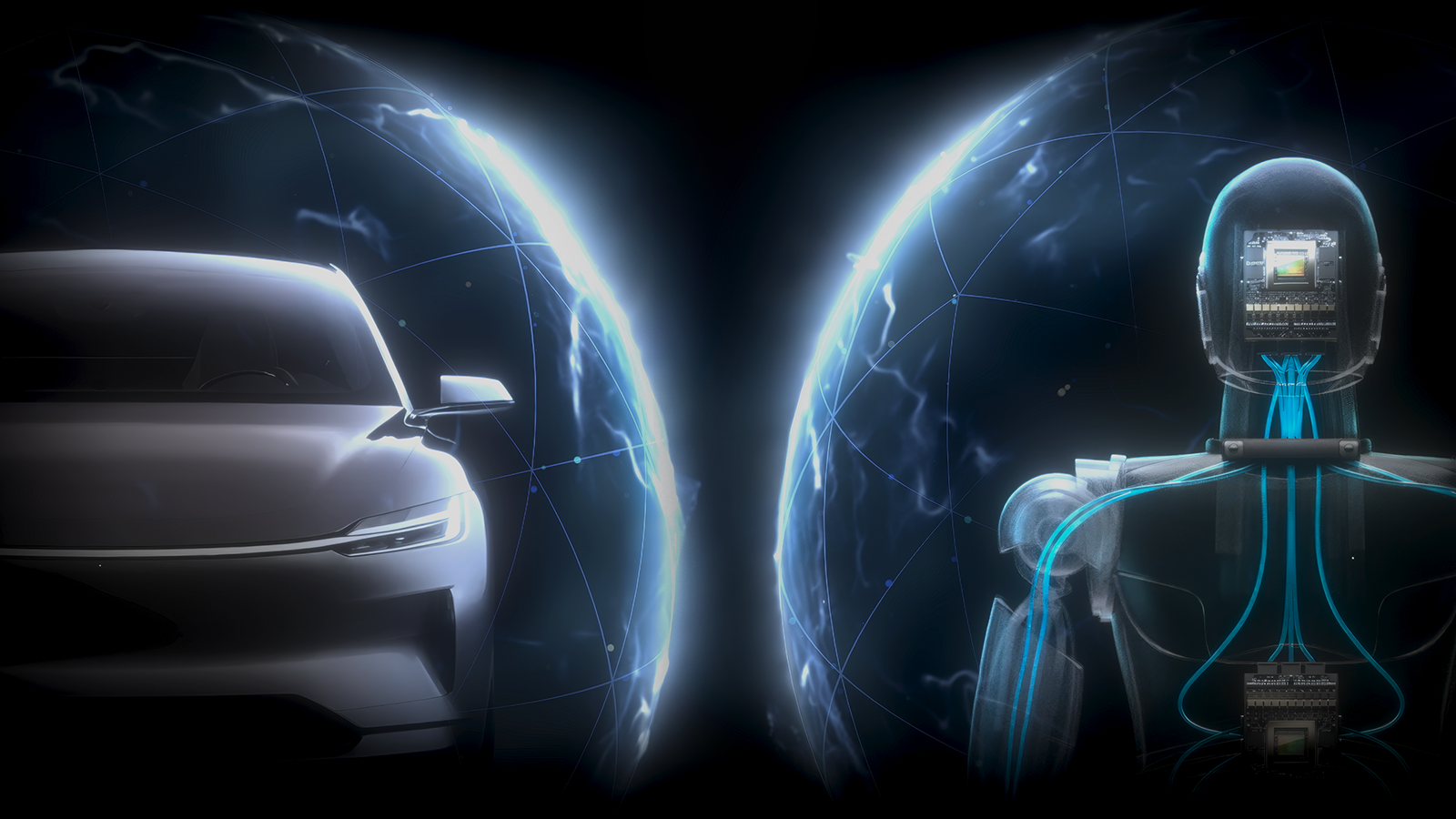
NVIDIA is pitching Halos as full-stack safety for cars and robots — because once AI moves steel and wheels, a model card is not enough.

Egypt’s AI story is shifting from potential slides to onshore AI factories — and NVIDIA is writing itself into the ribbon-cutting.

While lab CEOs circle a rare slowdown consensus, Trump is naming an AI tsar, floating an “AI Force,” and calling safety alarms a hoax.

Microsoft Research’s Nature paper on RetroChimera pairs complementary retrosynthesis models and open-sources the stack—useful chemistry acceleration that still needs lab proof beyond chemist preference tests.

NVIDIA’s Earth-2 tutorial shows how to fold live observations into AI weather models without full retrains—vendor metrics look strong, and operators should demand matched proofs on their own assets.
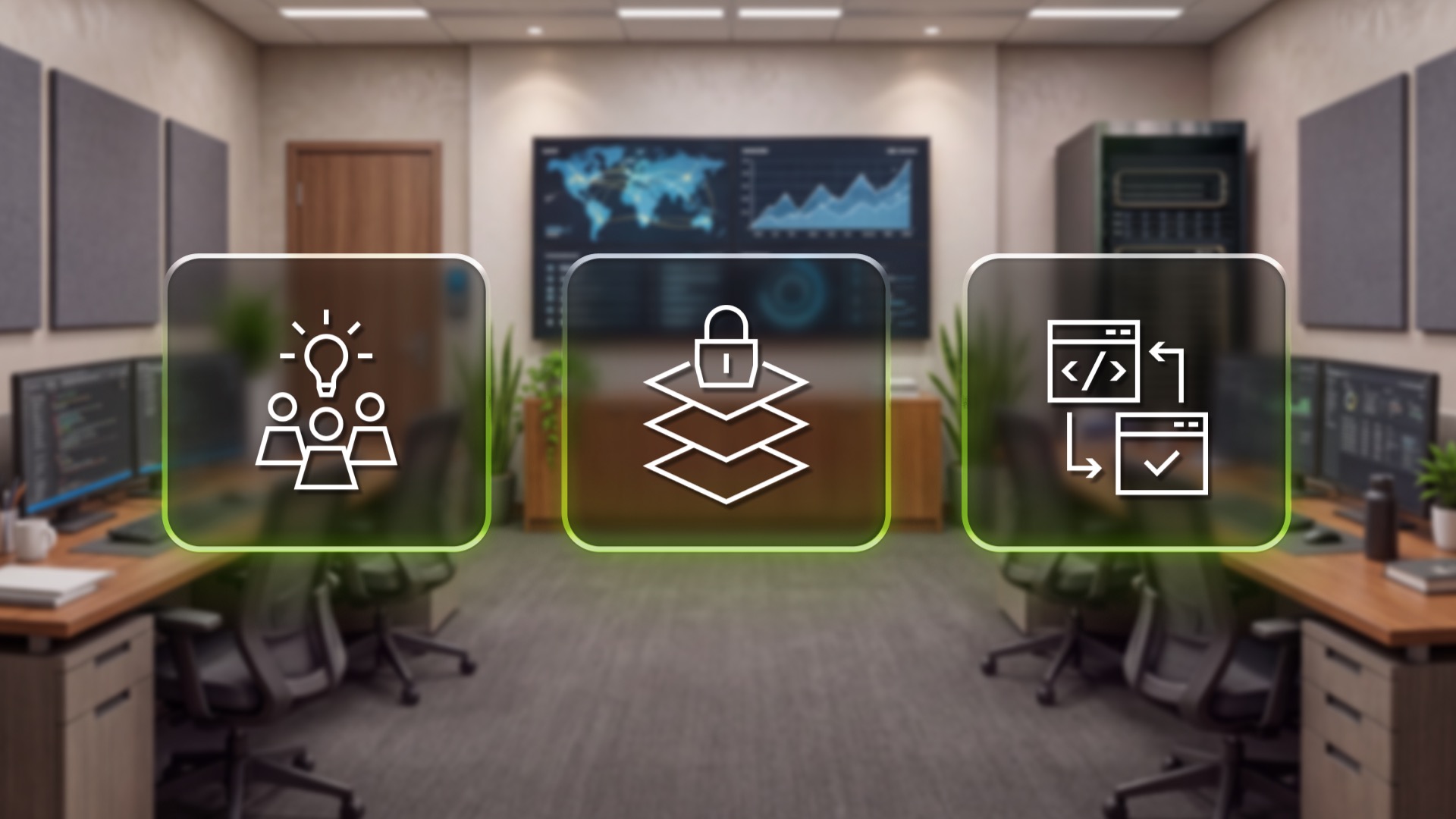
NVIDIA’s Saša Zdjelar frames agent security as requirements, controls, owners, and evidence—not vibes—and the OpenShell runtime push is the part that can actually fail closed.

At $899 with Magic Cursor and a year of AI Pro, Googlebook is less a Chromebook refresh than a hardware funnel into Gemini—especially the K-12 fleet that already lives on Chrome.

MIT Technology Review’s investigation found people dying near AI-enabled border towers that missed them or that agents ignored—and the fix starts with treating those deaths as system failures, not bad luck.