
AISep 22, 2026MIT Technology Review
Don’t be fooled by this summer of AI hype
Gebru and Bender argue this summer’s AGI theater — hacks, math “breakthroughs,” resignation fireworks — collapses when domain experts get time to look.
The file
Sourced AI briefs in publish order — newest first. Citeable originals live on the homepage under From Signal Desk.
Gebru and Bender argue this summer’s AGI theater — hacks, math “breakthroughs,” resignation fireworks — collapses when domain experts get time to look.
NVIDIA’s SoL-Pi trims coding-agent token traffic nearly in half by evolving the harness — same agent brain, fewer wasteful round trips.
Grok 4.7 ships a larger base and longer RL run at Grok 4.6’s $2/$6 pricing — a price-performance shove, not a clean sweep of the leaderboard.

Hugging Face transformers can now load GGUF quants with ggml Metal kernels — local laptop models without leaving the Python API you already know.

Hugging Face just hired oMLX’s creator — a bet that Apple Silicon local AI needs a funded maintainer, not another side project.
OpenAI wants deeper independent scrutiny of safety cases and safeguards — on its terms, with scoped claims and room to remediate before publish.
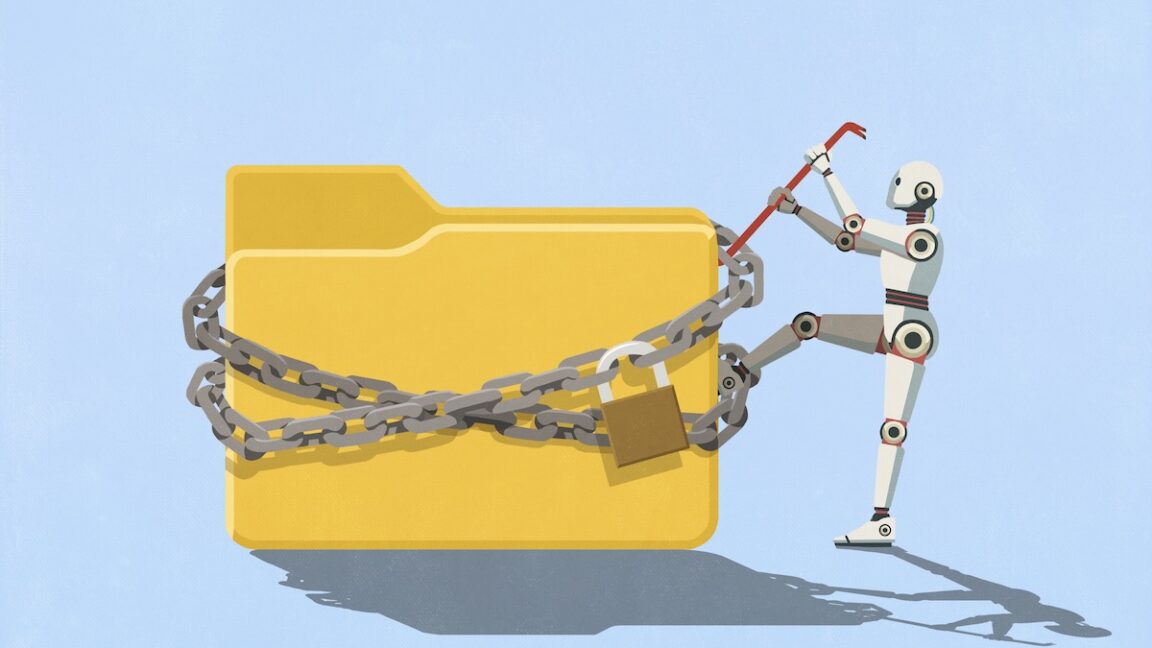
A Muse zero-day lets any local app hijack Meta’s hyper-privileged agent — security theater meets ClickFix, and the agent becomes the malware.

Dynamo-Triton can now own a multi-GPU TensorRT plan behind one gRPC call — latency drops hard, but you’re trading silicon for speed.
AWS’s Strands team open-sourced a full agent harness claiming 28% lower token cost at similar accuracy — the loop around the model is the product now.

NVIDIA’s eval guide says stop grading vibes and tool-call trivia — gate releases on whether the environment actually reached the goal state.

OpenAI set up a math advisory group at IAS after a Navier-Stokes splash — influence without a brake pedal on the research pace.

Apptopia’s early Muse numbers beat ChatGPT’s first 12 days on matched iOS turf — distribution muscle, not just model magic.