AI · Nov 9, 2026
OpenAI’s Control Room puts a fail-closed kill switch inside the inference engineGreg Brockman says OpenAI could be IPO-ready in 2027 after enterprise became the majority of revenue
· Updated · Signal Desk newsroom
Analysis of reporting by TechCrunch. How we work
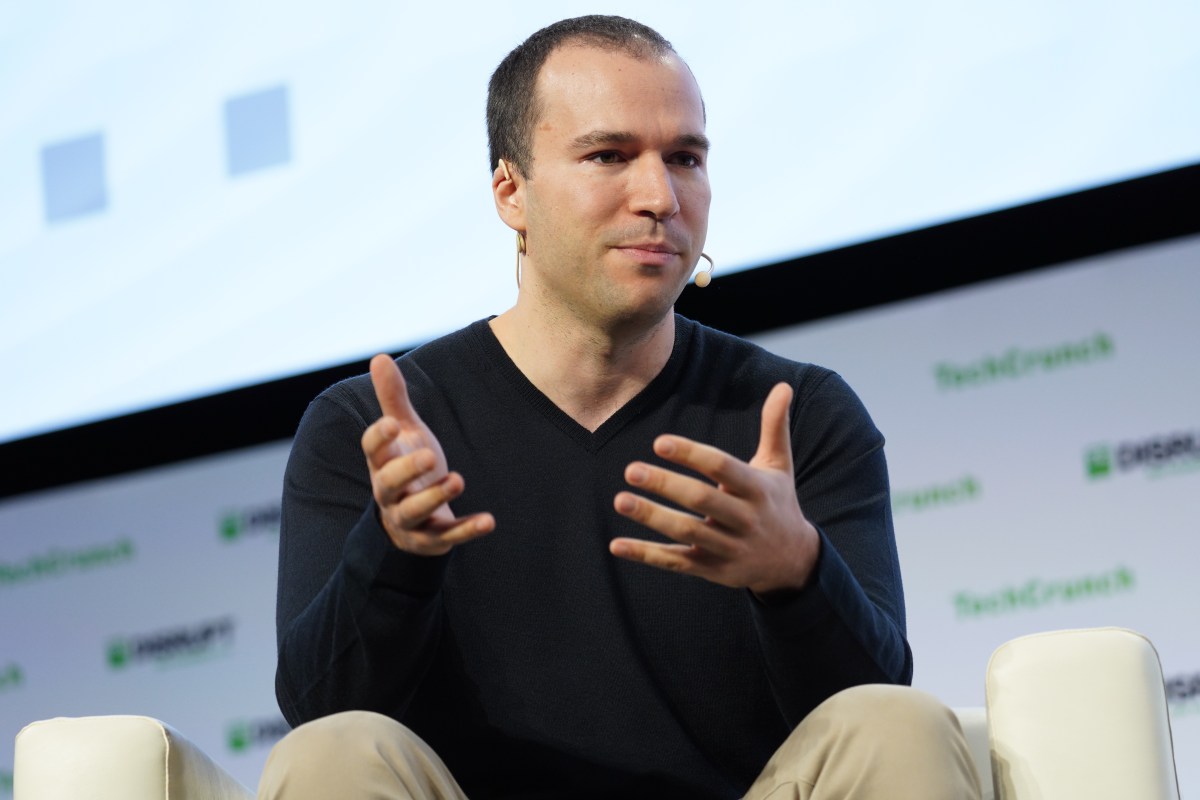
At a WSJ conference, Brockman admitted a rough first half when Claude Code owned agentic coding, then credited Codex and enterprise sales for 70% quarterly growth in annualized revenue by Q3. The mix shift is the IPO story; the S-1 will have to prove it.
Key takeaways
- Asked if OpenAI could be IPO-ready in 2027, Brockman said, “I think so. Yes.”
- He called Q1 and Q2 “pretty rough” and said OpenAI “wasn’t even in the conversation” on agentic coding.
- Annualized revenue grew 70% in a quarter by Q3 as the enterprise segment doubled.
- Enterprise moved from roughly 30% of revenue to the majority; consumer is still growing.
- Governance, compute commitments and durable growth remain the open IPO tests.
The recovery story
IPO timing is how markets price the AI boom’s most watched company. At a Wall Street Journal conference, OpenAI president Greg Brockman answered whether the firm could be IPO-ready in 2027 with “I think so. Yes,” adding he has “never felt more confident” in the business. That fits the 2027 trail after Sam Altman called a 2026 listing ill-advised (Altman on 2026). Brockman described a choppy 2026: Q1 and Q2 were “pretty rough,” and OpenAI “wasn’t even in the conversation” on agentic coding while Claude Code took share. Heads-down work on Codex and enterprise sales then produced 70% quarterly growth in annualized revenue by Q3 as enterprise doubled. Enterprise moved from roughly 30% of the mix to the majority, with consumer still growing.
Why the mix matters
The shift is the IPO narrative: not only ChatGPT scale but contracts like JPMorgan Chase and a reputation as a long-term enterprise partner. A year ago, Brockman says, prospects asked whether OpenAI was serious about enterprise; now the job is milestones, trust and durability. That is the right lesson and an unfinished one. Enterprise spend data shows buyers growing thriftier as prices fall (Ramp data), and rival Anthropic’s filing shows how closely public investors will examine enterprise lock-in (Anthropic S-1).
What IPO-ready requires
IPO-ready in 2027 hinges on governance that survives scrutiny, compute and power commitments that don’t break covenants, and growth that isn’t a one-quarter snapback. OpenAI has also sought private capital at very high valuations (pre-IPO round), and its safety incidents this year will draw disclosure questions. A durable enterprise OpenAI means reliable models, clear data controls and coding agents that win on merit. The risk is an IPO clock that rewards optics, with rushed governance and revenue stories that crack under S-1 scrutiny. Confidence in November has to be proven in the filing. More in our OpenAI coverage and enterprise coverage.
Who feels it
- Enterprise buyers
- More reason to expect sustained OpenAI business support.
- Anthropic and rivals
- The coding and enterprise fight is contested again.
- Investors and employees
- A clearer 2027 window and a higher bar for metrics.
- Regulators
- Notice that the most prominent AI lab may become a public registrant.
What to watch
- Whether enterprise stays the majority of revenue.
- Codex usage versus Claude Code.
- Board or banker moves signaling a real 2027 timeline.
- Disclosure on compute commitments, related-party deals and safety governance.
FAQ
When will OpenAI go public?
Greg Brockman said OpenAI could be IPO-ready in 2027; no filing date has been set.
How fast is OpenAI’s revenue growing?
Brockman said annualized revenue grew 70% in a quarter by Q3, with enterprise doubling.
Is enterprise OpenAI’s biggest business?
Yes, Brockman said enterprise is now the majority of revenue, up from roughly 30%.
More on OpenAI
AI · Oct 21, 2026
OpenAI on Google Cloud lets companies spend Google commitments on GPT-6, and that changes procurementAI · Oct 19, 2026
Microsoft ships Guardian Agents, saying frontier models ‘can’t be trusted’AI · Nov 11, 2026
OpenAI’s $2 million for children’s AI safety research matters for one promise: publishing bad newsAI · Nov 17, 2026
OpenAI says its models now shave area off production chips, including AMD’s next flagships