Nvidia CEO Jensen Huang summoned by Congress over Chinese espionage concerns
Nov 6, 2026, 6:13 AM · Ars Technica
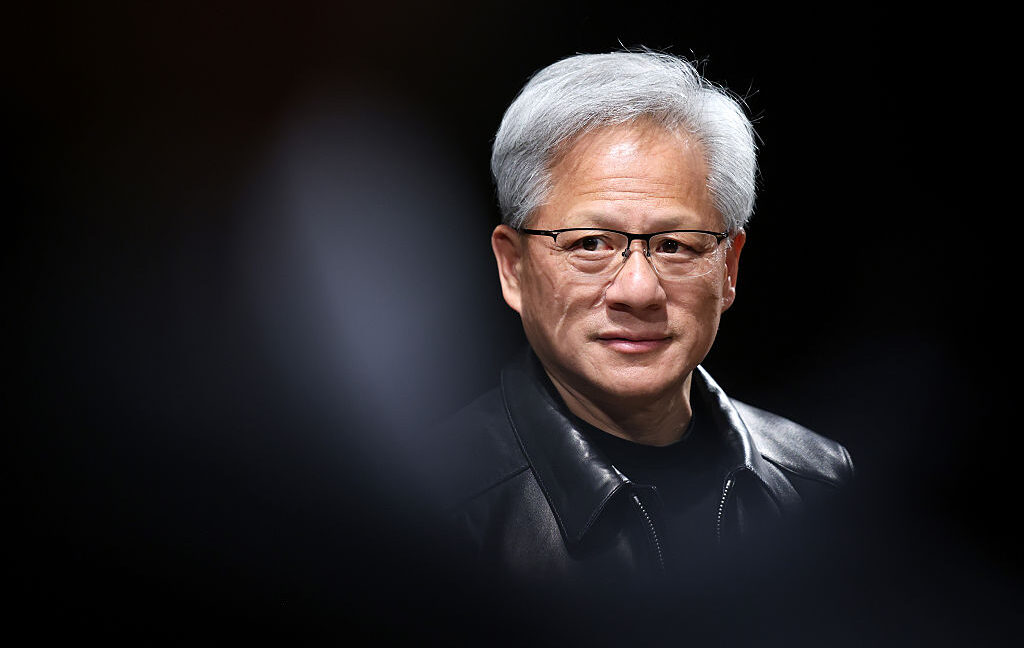
House China, foreign affairs, and intelligence chairs want Jensen Huang in a closed briefing after reports he was targeted by a Chinese spy operation tied to a major chip customer.
Why it matters
Nvidia sits at the center of the AI buildout and of U.S. export controls meant to keep advanced chips out of China. When the chairs of three national-security committees ask the CEO to appear, the question is no longer just commercial diligence — it is whether the company's customer relationships and security protocols held up under adversarial pressure.
The New York Times reported that U.S. intelligence believes Huang was targeted, with concerns focused on Alice Huang, an executive at Singapore cloud firm Megaspeed, which has bought billions of dollars of Nvidia chips. Lawmakers want him on November 18. Nvidia rejects the claims and will not say whether he will appear.
This is the collision of AI industrial policy, espionage anxiety, and the reality that Nvidia's biggest growth story runs through contested supply chains.
From the desk
We're watching this as a stress test of whether Washington still trusts the company that makes the GPUs powering every frontier lab — or whether export-control politics is about to get personal.
The letter from Representatives John Moolenaar, Brian Mast, and Rick Crawford frames PRC access to cutting-edge U.S. technology as core committee work. That language is not casual. It puts Huang in a room where chip smuggling, customer vetting, and CEO travel security all become fair game. Nvidia's public answer is that meetings with customers are ordinary CEO work, that regional cloud customers get ordinary business information rather than trade secrets, and that Huang travels with an "outstanding security team." That may be true. It may also not be the answer Congress wants on a closed briefing calendar.
The Megaspeed angle matters. The U.S. previously scrutinized the firm — a 2023 spin-off from a Chinese gaming company — for potential chip smuggling, without charges. Nvidia ran its own unannounced on-site inspections in Singapore and, according to people familiar with the matter, found no diversion into China. Separately, Wally Liaw, a Supermicro co-founder and Nvidia supply-chain partner, was arrested earlier this year on charges of smuggling Nvidia chips into China; he has pleaded not guilty.
I'm not treating rumor as verdict. The Times said Huang had not received a defensive briefing, which intelligence agencies usually — but not always — give potential targets. Nvidia says it trusts Washington would flag a real threat and that it often gets updates on people of concern. Both can be true while Congress still insists on hearing it under oath-adjacent conditions.
If this escalates, the downside is not just a bad headline for Huang. It is more friction on how Nvidia qualifies overseas cloud customers, more political risk priced into the stock that funds the AI factory buildout, and a template for hauling other chip and cloud executives into the same room. Useful AI still needs chips. Those chips still need a security story Congress will accept.
Context
U.S. export controls have steadily tightened advanced GPU sales to China, which has pushed demand into gray-market diversion and intensified scrutiny of Singapore and other regional cloud buyers. Nvidia's market power makes its CEO a symbolic and practical target for oversight that used to land on defense contractors.
Who feels it
- Nvidia and investors
- Political and reputational risk layered onto an already geopolitically sensitive supply chain; watch for any change in customer-vetting disclosures.
- Cloud and OEM partners
- Expect tighter paperwork and more on-site inspection language in deals that touch contested jurisdictions.
- Congress and intelligence community
- A test case for how far oversight of AI hardware vendors will go beyond formal export rules.
- AI labs and enterprises
- Indirect — more compliance cost and possible delivery friction if customer diligence slows.
What to watch
- Whether Huang appears at the November 18 closed briefing and what Nvidia discloses afterward.
- Any follow-on subpoenas, defensive briefings, or public statements about Megaspeed and Alice Huang.
- Knock-on scrutiny of other regional cloud buyers and Nvidia OEM partners after the Liaw case.
- Whether export-control agencies tighten end-user rules in response to the hearing record.
Companies: NVIDIA