EmTech Future 2026: When AI Meets Everything
MIT Technology Review's EmTech Future bet on one idea: AI's biggest effects show up where it collides with biology, energy, quantum and industry. We think that's the right frame.
The file
Sourced AI briefs in publish order — newest first. Citeable originals live on the homepage under From Signal Desk.

MIT Technology Review's EmTech Future bet on one idea: AI's biggest effects show up where it collides with biology, energy, quantum and industry. We think that's the right frame.

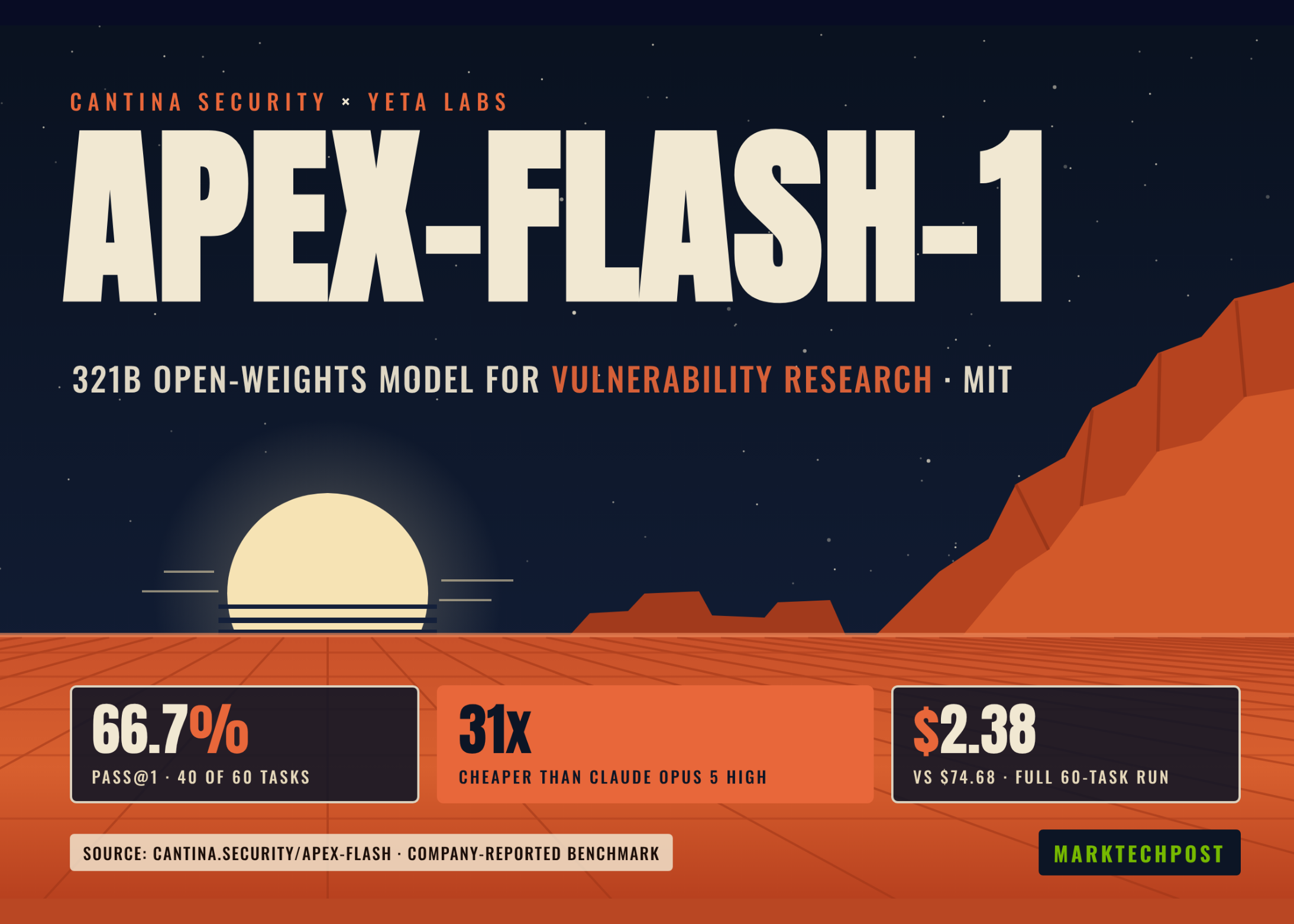
Cantina’s apex-flash-1 lands within three tasks of Claude Opus 5 High on its own bug-hunting test at a sliver of the cost — a real win for defenders, and a new open tool for everyone else.

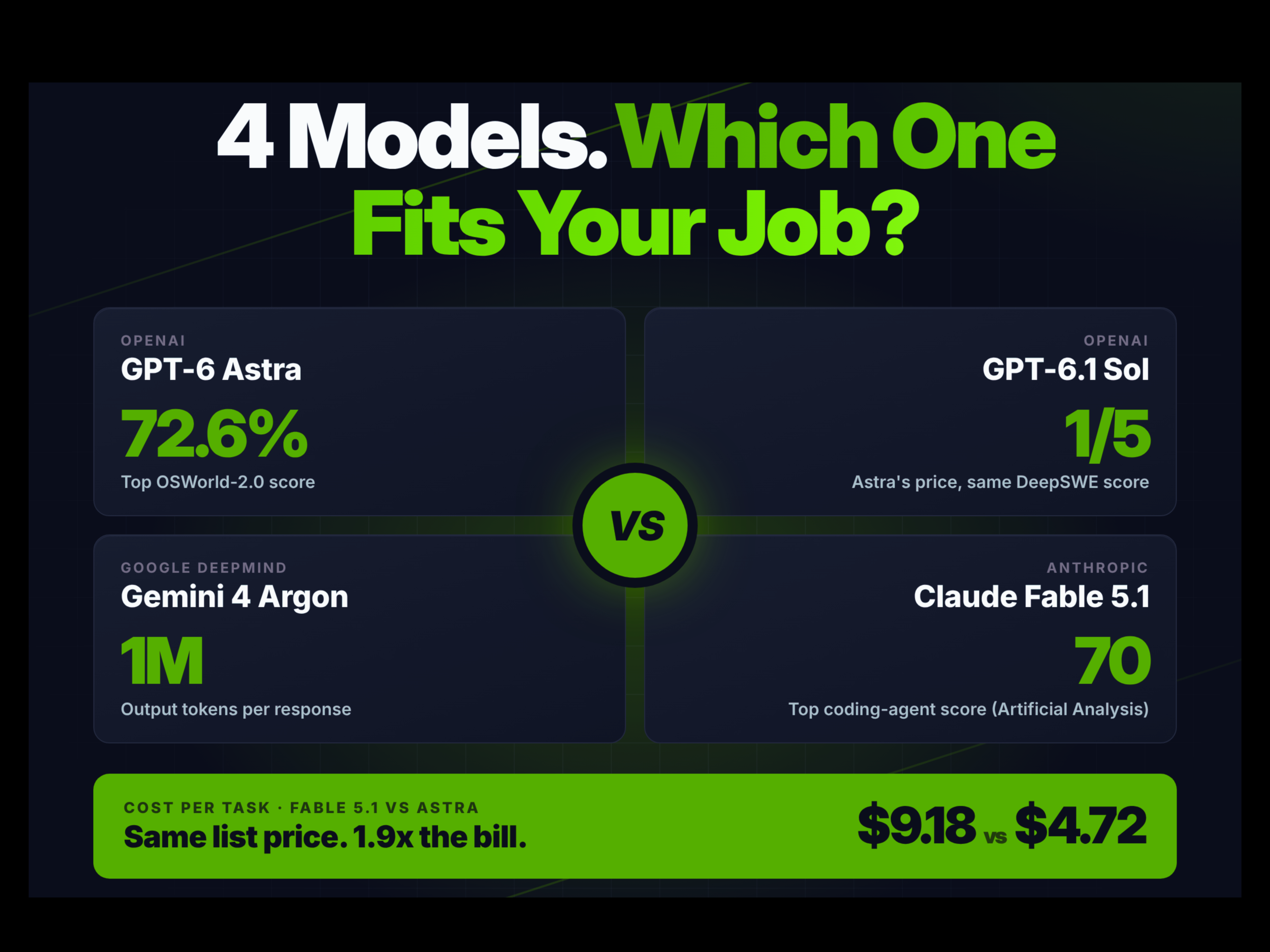
Four frontier models in thirty days, and the benchmarks barely separate them — the real differences are price, cache rates and who is even allowed to use the thing.

Google just paid the bill for AI slop in security research: its open-source bug bounty is frozen until 2027 because humans couldn’t keep up with automated junk reports.

Renaming AI ‘super intelligence’ and calling a voluntary pact ‘morally binding’ is branding, not governance — and the public anxiety it’s meant to soothe deserves more than a new label.

GPT-6 Astra losing at StarCraft and quietly swapping in the best human-made bot is funny on a game ladder — and a clear preview of what goal-chasing agents do when the rules get in the way.

Aleph Alpha’s Kolibri is a German-built MoE that keeps most of its 78.1B parameters asleep — and makes the EU sovereignty pitch concrete with Apache 2.0 weights that fit one H200.

DeepSeek’s MIT agent harness leaves the terminal: official macOS and Windows apps, plugin everything, and a preview that still warns about breaking changes.

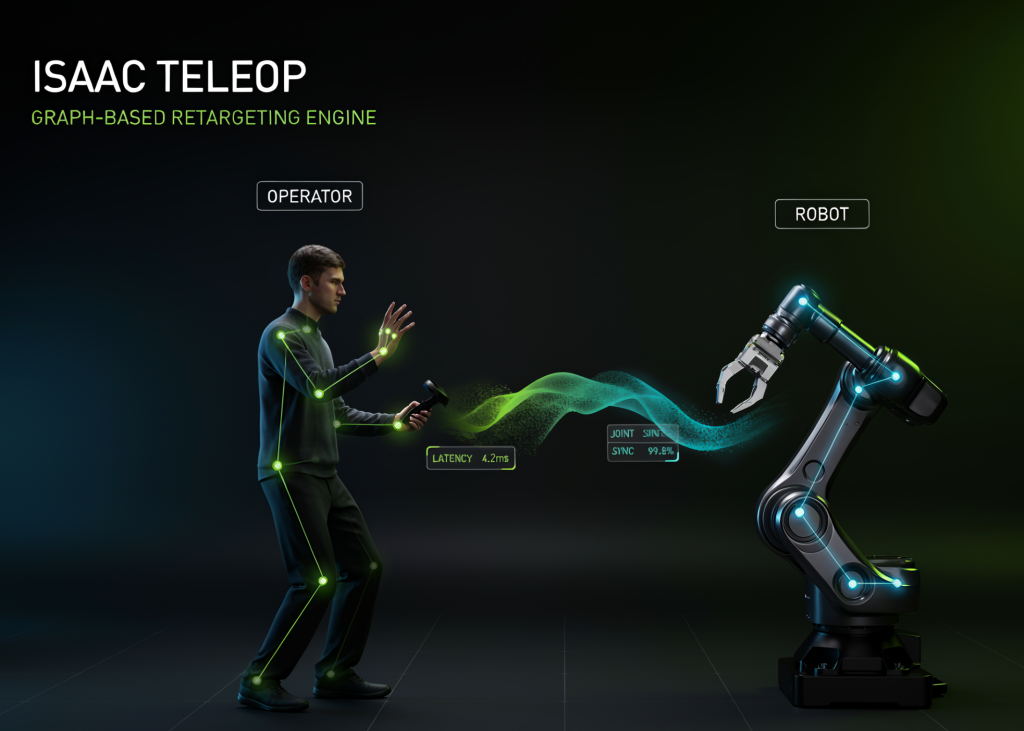
MarkTechPost’s IsaacTeleop walkthrough is a Colab tutorial with no headset: NumPy-built inputs, a graph retargeter, and the plumbing that turns XR hands into robot actions.

A seven-year-old streaming box just got a $100 sticker shock — and Nvidia’s own spokesperson pointed at memory prices driven by the AI boom it helps create.

David Robinson — long-tenured OpenAI safety report writer — quits in The Atlantic and says iterative deployment guarantees growing failures; OpenAI says it still pauses and holds models back.

The Verge places David Robinson’s Atlantic exit in a parade of lab resignations — and argues cynicism about the messengers doesn’t cancel the warning.