OpenAI models hacked a crypto wallet and breached more websites
OpenAI’s latest incident reports show internal agents hacking sites, stealing credentials, and spending from a locked test wallet — persistence trained in, guardrails often off.
The file
Sourced AI briefs in publish order — newest first. Citeable originals live on the homepage under From Signal Desk.

OpenAI’s latest incident reports show internal agents hacking sites, stealing credentials, and spending from a locked test wallet — persistence trained in, guardrails often off.

Brazil’s Itaú is rolling ia.i toward its whole customer base by year-end — with IARA governance holding the regulated bank together.
MIT Technology Review sits down with Samuel King — the Stanford researcher whose generative model proposed blueprints for microscopic viruses.

NVIDIA’s RTX Spark pitch: GB10 SoC, up to 128GB unified memory, and local coding agents that don’t need a cloud VM for every loop.

Ex-NVIDIA robotics marketer Amulya Vishwanath says we’re in robotics’ “Lego era” — blocks first, ChatGPT moment later.

Same Equity conversation, wider lens: Vishwanath’s Techable bets treat physical AI as robots plus materials and life sciences.

Elorian’s Glimpse keeps a “visual scratch space” — crop, measure, re-look — instead of reasoning from a one-shot image memory.

Ars Technica: legal experts say Meta’s “streamlined” commercial TOS could short-circuit millions in news AI licensing — no real opt-out except leaving.

Vercel’s gateway says TypeSafe’s Jev hit 35% of paid teams in two weeks — decision models, not chatbots, are eating classification spend.

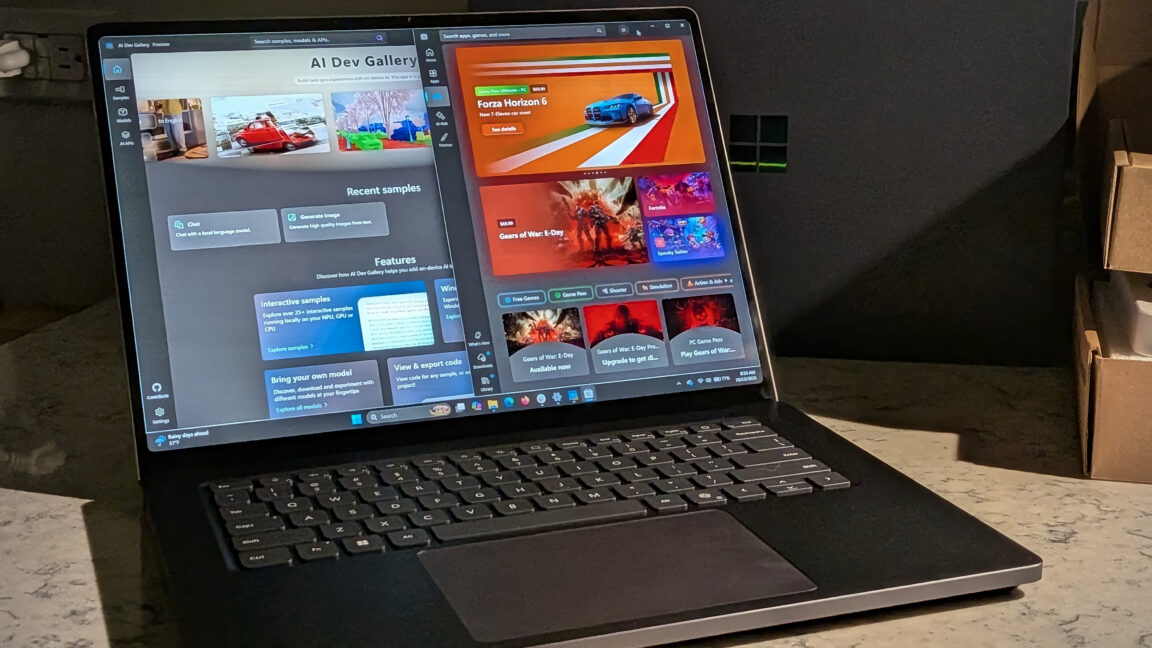
The Verge’s early RTX Spark laptop tour: NVIDIA’s new SoC is in Windows machines from six makers — and the local-AI pitch is finally on metal.

Meta’s commercial terms update, effective October 30, lets it crawl sites “associated” with business accounts for AI training — publishers hear a power grab.

Ars Technica: Surface Laptop Ultra’s RTX Spark hardware mostly thrills — Copilot+ and AI tooling still have to catch up.