
AISep 22, 2026NVIDIA Developer
Accelerating a ROS 2 Node with an AI Agent and NVIDIA Isaac ROS
NVIDIA’s tutorial shows an AI agent migrating a ROS 2 node to CUDA-backed buffers — zero-copy where it counts, CPU fallback where it must.
Desk
NVIDIA hardware, software, and developer news.
NVIDIA’s tutorial shows an AI agent migrating a ROS 2 node to CUDA-backed buffers — zero-copy where it counts, CPU fallback where it must.
NVIDIA’s SoL-Pi trims coding-agent token traffic nearly in half by evolving the harness — same agent brain, fewer wasteful round trips.

Dynamo-Triton can now own a multi-GPU TensorRT plan behind one gRPC call — latency drops hard, but you’re trading silicon for speed.

NVIDIA’s eval guide says stop grading vibes and tool-call trivia — gate releases on whether the environment actually reached the goal state.
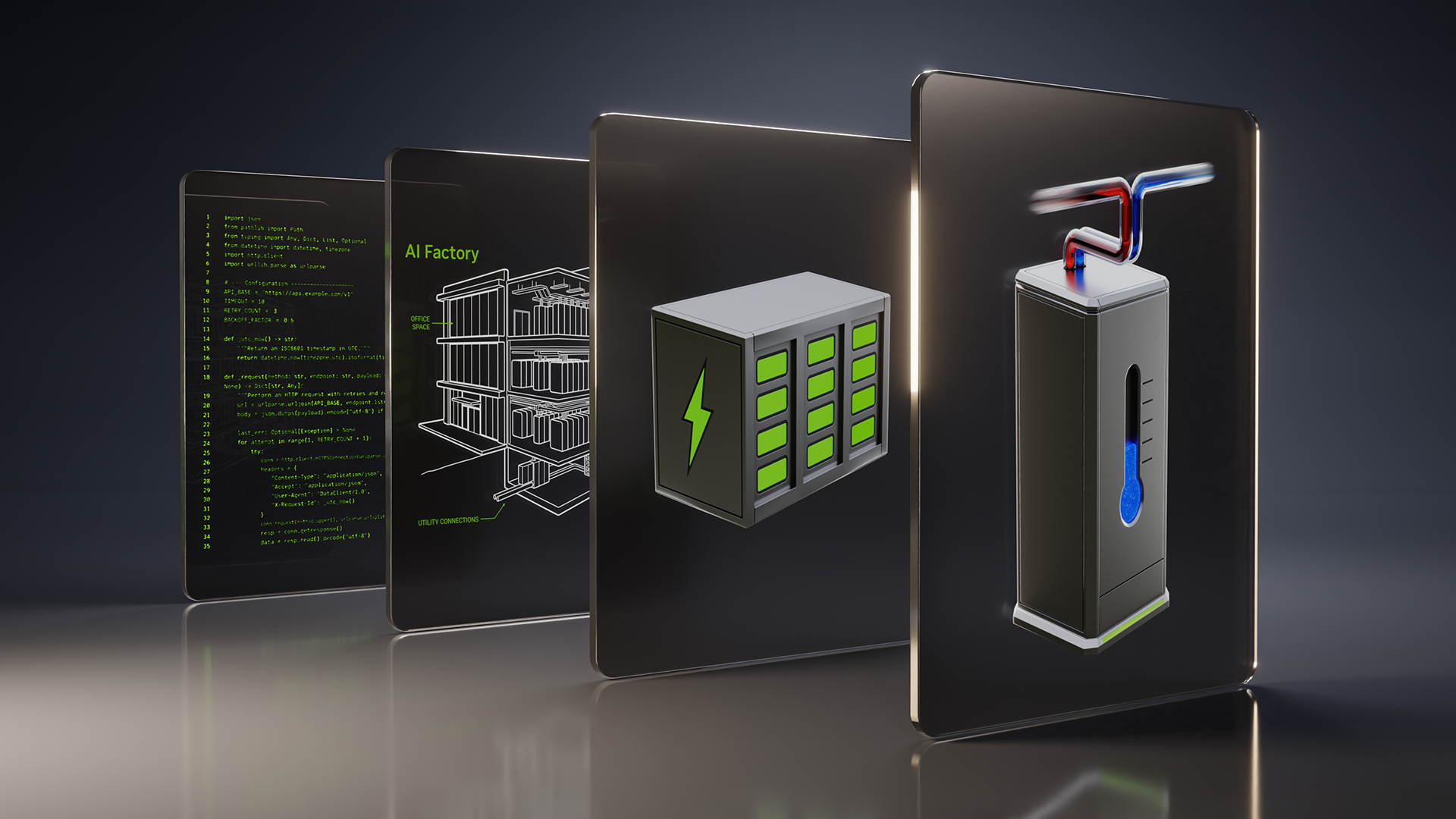
NVIDIA’s DSX Ready badge starts with batteries and CDUs — AI factories are now a power-and-cooling shopping list, not just a GPU catalog.

NVIDIA is pitching Halos as full-stack safety for cars and robots — because once AI moves steel and wheels, a model card is not enough.

Egypt’s AI story is shifting from potential slides to onshore AI factories — and NVIDIA is writing itself into the ribbon-cutting.

NVIDIA’s Earth-2 tutorial shows how to fold live observations into AI weather models without full retrains—vendor metrics look strong, and operators should demand matched proofs on their own assets.

NVIDIA’s Saša Zdjelar frames agent security as requirements, controls, owners, and evidence—not vibes—and the OpenShell runtime push is the part that can actually fail closed.
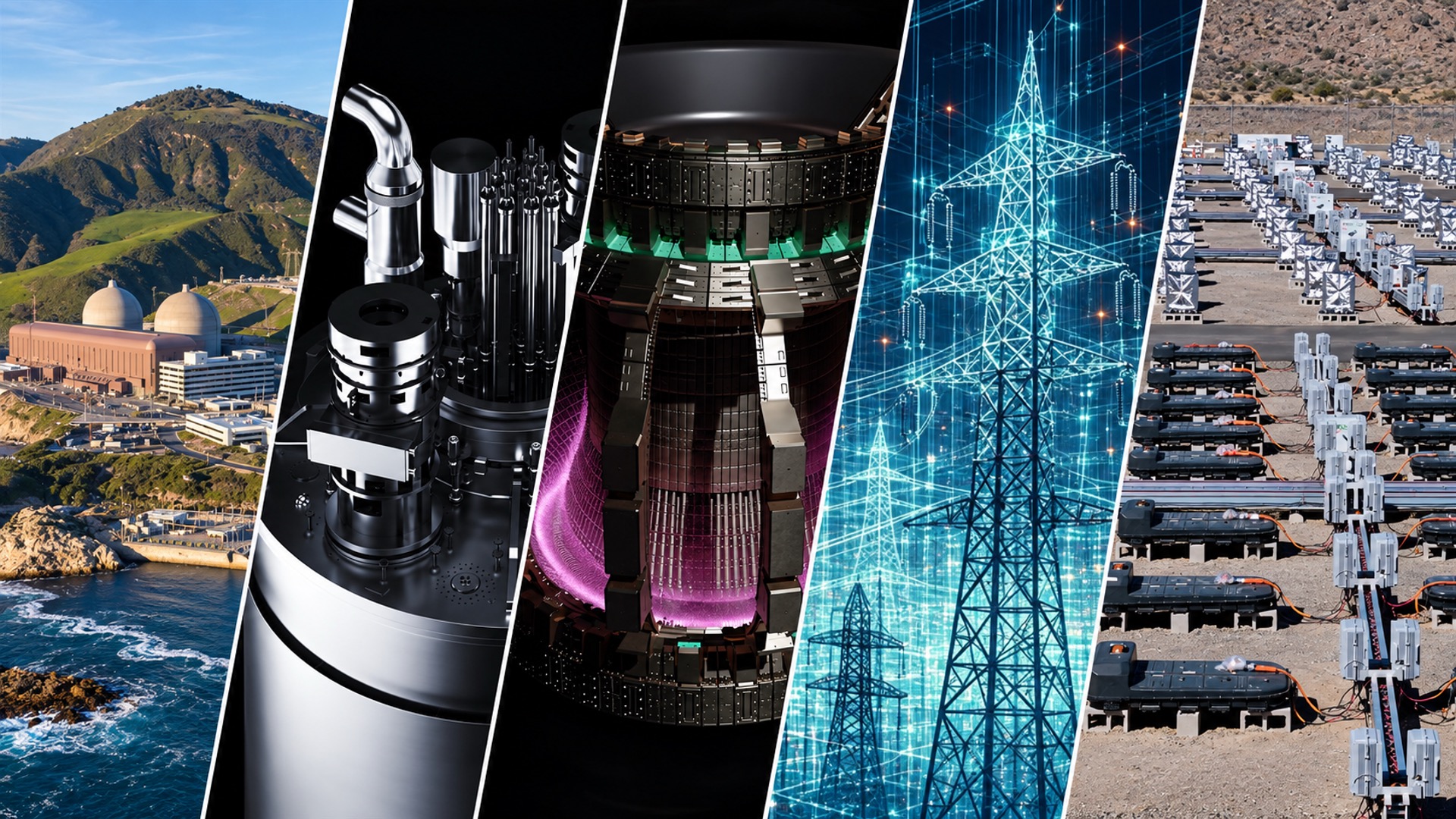
At Climate Week, NVIDIA is selling a clean-grid pitch that also solves its own power problem — and a few of the numbers are hard to ignore.

On CBS Sunday Morning, Nvidia’s CEO put a hard number on doomsday—and dismissed slowdown calls from Amodei and Altman as unscientific while opposing new rules.

NVIDIA’s AIPerf replaces GenAI-Perf with a multiprocess load client so the benchmarker stops being the bottleneck when you saturate real LLM servers.