
AISep 28, 2026TechCrunch
Nvidia launches new platform for reining in rogue AI agents
Jensen Huang unveiled Nvidia’s Open Agent Safety Platform—OpenShell plus BlueField-4 Sentry—claiming millisecond quarantine when agents try to break out.
Desk
NVIDIA hardware, software, and developer news.
Jensen Huang unveiled Nvidia’s Open Agent Safety Platform—OpenShell plus BlueField-4 Sentry—claiming millisecond quarantine when agents try to break out.

Nvidia’s Open Agent Safety Platform promises millisecond quarantine for agents that slip their bounds—hardware plus open-source software, backed by Anthropic, Microsoft, and SpaceX.

OpenShell hits general release and Sentry watches from a separate domain—Nvidia’s Open Agent Safety Platform is the chip giant’s bid to set the agent-containment standard.

NVIDIA pairs OpenShell sandboxes with BlueField-4 Sentry so agent monitoring lives in silicon, not inside the agent’s own promise to behave.

OpenShell 0.1.0 wraps existing agents in sandboxes, credential proxies, and a formal policy prover—without forcing teams to rewrite the agent.

A joint NVIDIA–Nscale GB300 run shows policy-shared power packing ~37% more GPUs and ~49% more tokens under the same 264.4 kW budget—with a P99 TTFT tax.

Thieves hooked PlusAI trailers badged with Nvidia logos—and found 40,000 pounds of sand used for autonomous-truck test ballast, not GPUs.

British neocloud Nscale locked $3.36B in convertible notes—led by Third Point, with $1B from Nvidia in November—ahead of a US IPO eyed near a $35B valuation.

Nvidia’s CEO frames fossil-powered AI pain as surgery for the climate — and that metaphor tells us more about industry priorities than physics.
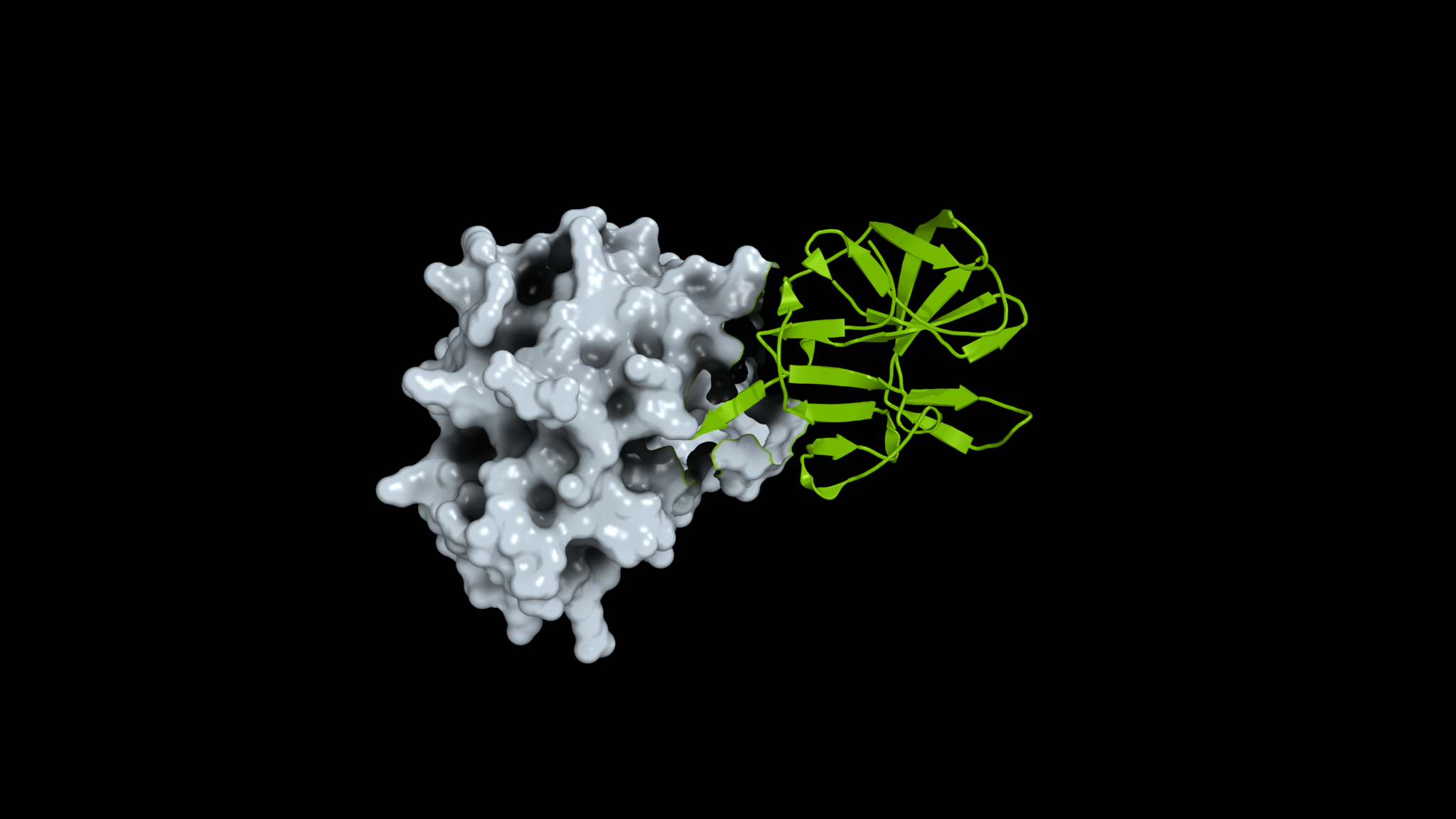
NVIDIA, DeepMind, and EMBL-EBI open predicted structures for 2,800-plus viral protein complexes — stockpiling structural knowledge before the next outbreak, not after.

NVIDIA open-releases NV-Reason-CT, a native 3D CT vision-language model that writes radiologist-style chain-of-thought and leads CT-RATE with Macro-F1 0.614.

NVIDIA open-sources a Kubernetes controller that runs real distributed workloads to prove GPU clusters are ready before production AI jobs land — and names the failing nodes.