AIOct 15, 2026NVIDIA Blog
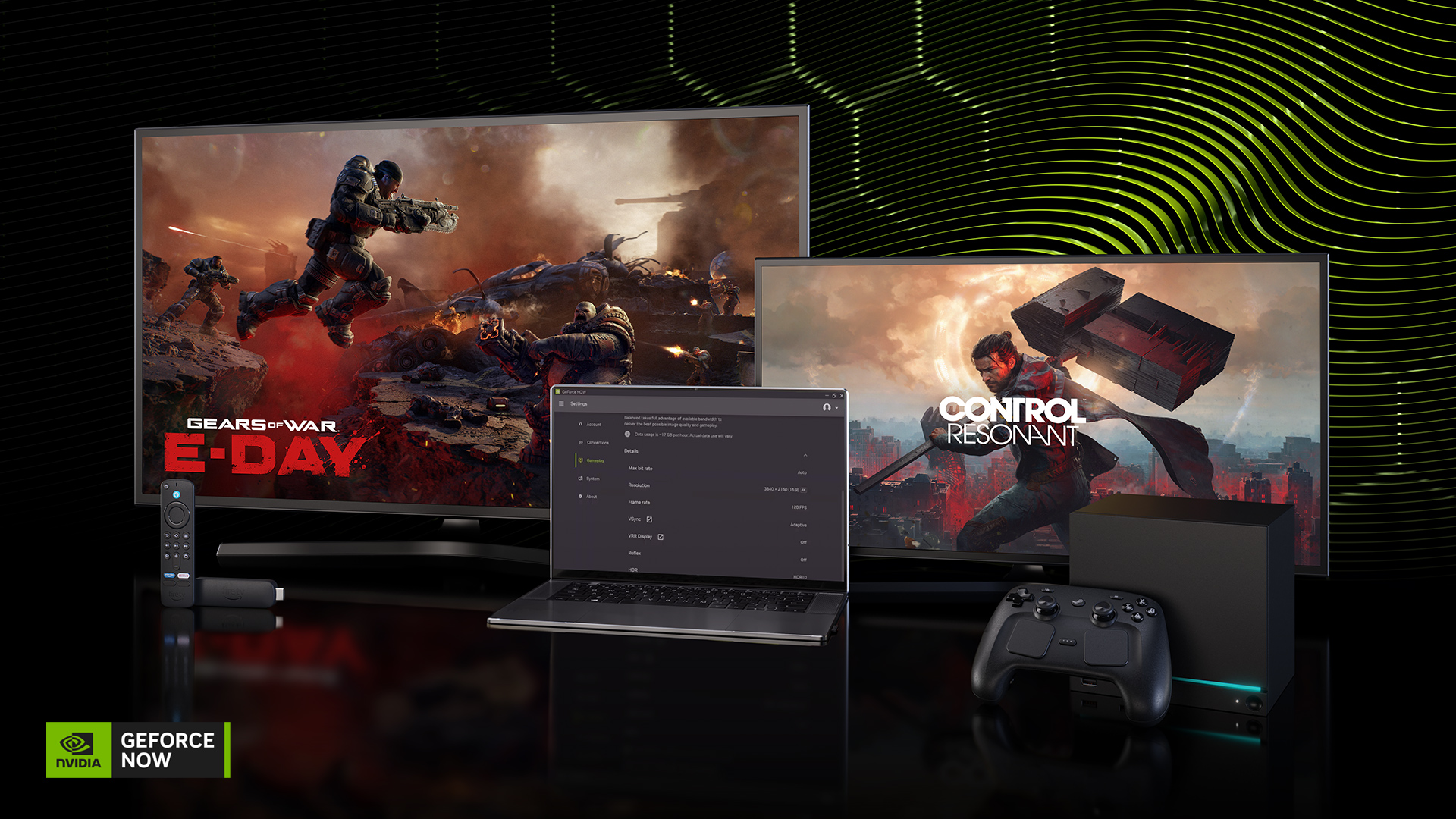
Dial Up the Cloud: NVIDIA DLSS 4.5 Controls Arrive on GeForce NOW
GeForce NOW hands members DLSS 4.5 controls, letting cloud gamers tune AI upscaling and frame generation without owning the latest hardware.
Desk
NVIDIA hardware, software, and developer news.
GeForce NOW hands members DLSS 4.5 controls, letting cloud gamers tune AI upscaling and frame generation without owning the latest hardware.
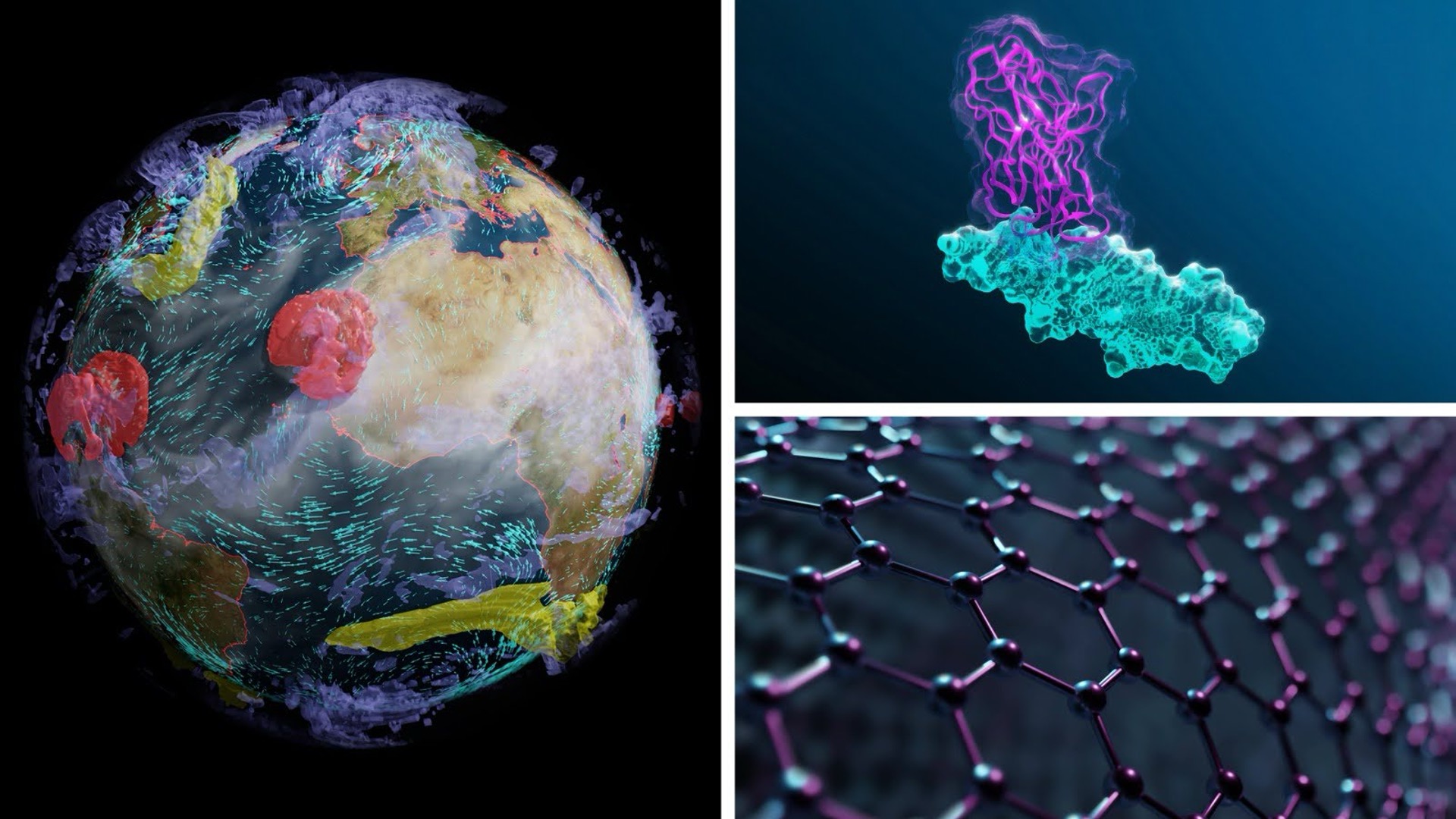
NVIDIA joins the EU's new AI in Science Enablers push, pledging open models, free courseware and startup compute routes through Europe's national AI factories.

NVIDIA's Nordic roundup — a shared Swedish supercomputer, open-model startups, autonomous trucks — reads as a pitch for regional AI built on its stack.

Siemens EDA lifted its chip-characterization agent from about 55% to 95% on a verified benchmark by grading final artifacts, not individual steps — a lesson for every engineering agent.
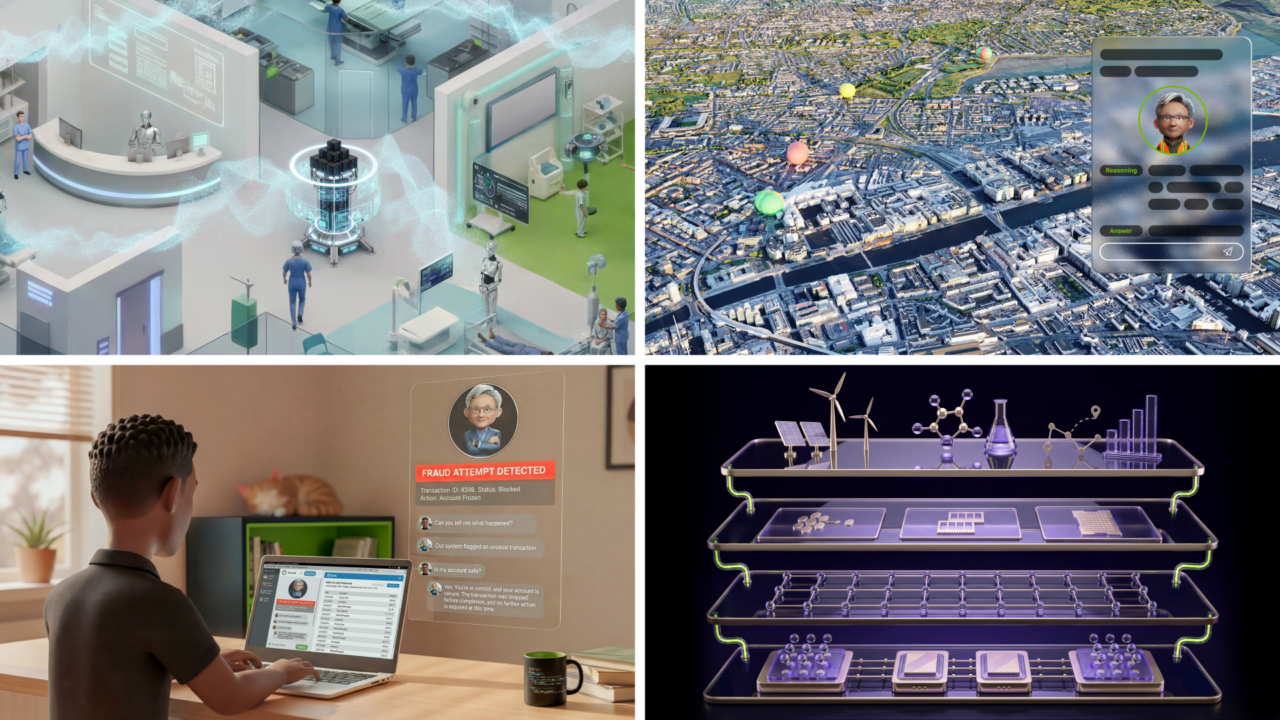
NVIDIA’s UK tour is less about one model and more about a full stack landing in hospitals, banks, cities, and climate prizes—with a $250 million compute pledge attached.
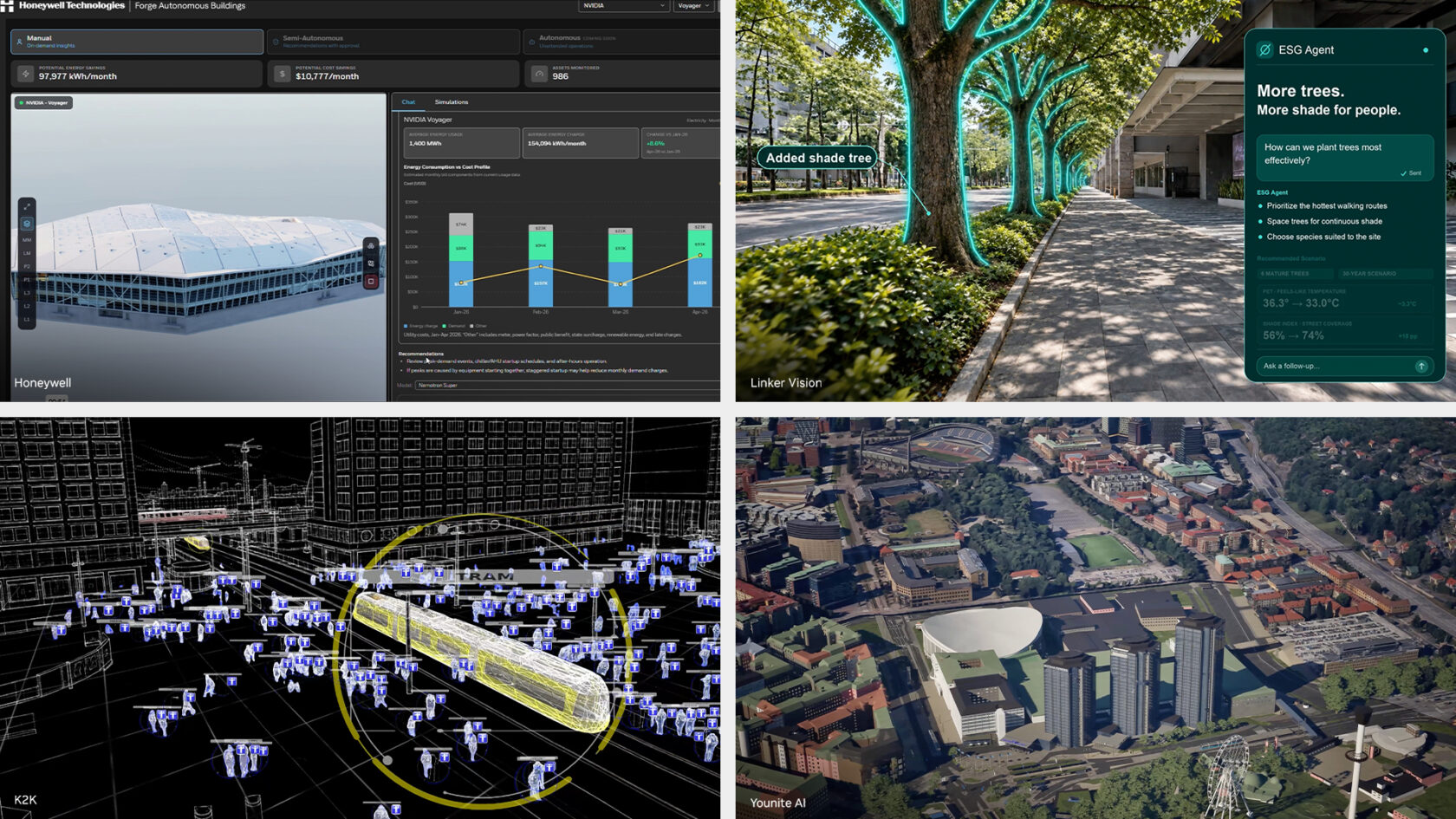
From Liverpool to Côte-d’Or to Milan, NVIDIA is wiring city operations to Cosmos, Nemotron, and local AI factories—useful if the pilots survive procurement and privacy reality.

NVIDIA’s cuDF Spark skills turn UDF rewrites into an agent loop—and one production example cut operator time from 274.55 hours to 12.78 on a 600-billion-row job.

NVIDIA is open-sourcing the full Run:ai stack as the orchestration layer for DSX AI factories — and eight cloud and platform partners are already wiring it in.

Nvidia's new Hogwarts Legacy comparisons show a quieter DLSS 5 — subtler faces, lighter environments — after the March demos turned into a meme.
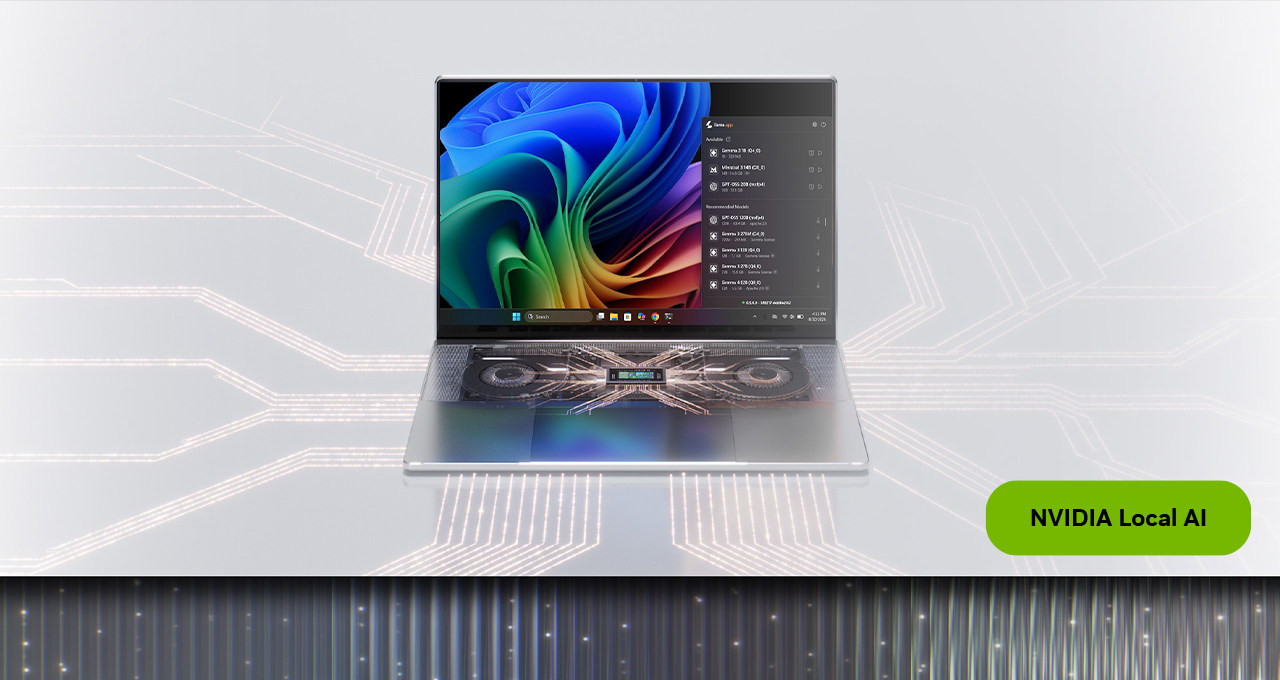
Three days before RTX Spark laptops ship, NVIDIA is lining up the software story, and the real bet is that local agents, not games, become the reason people buy the machine.

NVIDIA's roundup of French AI deployments reads like a sales deck, but underneath it is a real story about Europe trying to own more of its AI stack.

NVIDIA and Princeton’s Dao lab cache SSM inputs instead of full state, cutting decode traffic roughly in half and making speculative decoding work for hybrid models that were stuck on bandwidth.