Amazon drops data center NDAs, and AI agents want your credit card
A wave of personal AI agents wants access to inboxes, files and credit cards. The startups are selling privacy as the product, while the websites agents need are locking the door.
Desk
Microsoft AI products, Azure, and Copilot.

A wave of personal AI agents wants access to inboxes, files and credit cards. The startups are selling privacy as the product, while the websites agents need are locking the door.


Google's universal Gemini agent wants to be a coworker with its own email address, which could genuinely lighten office work and also blurs who is accountable when an agent acts.

Microsoft is betting the next Windows on local AI and agents that act for you. The sandboxing is the most important announcement, and the one we most need to see work.

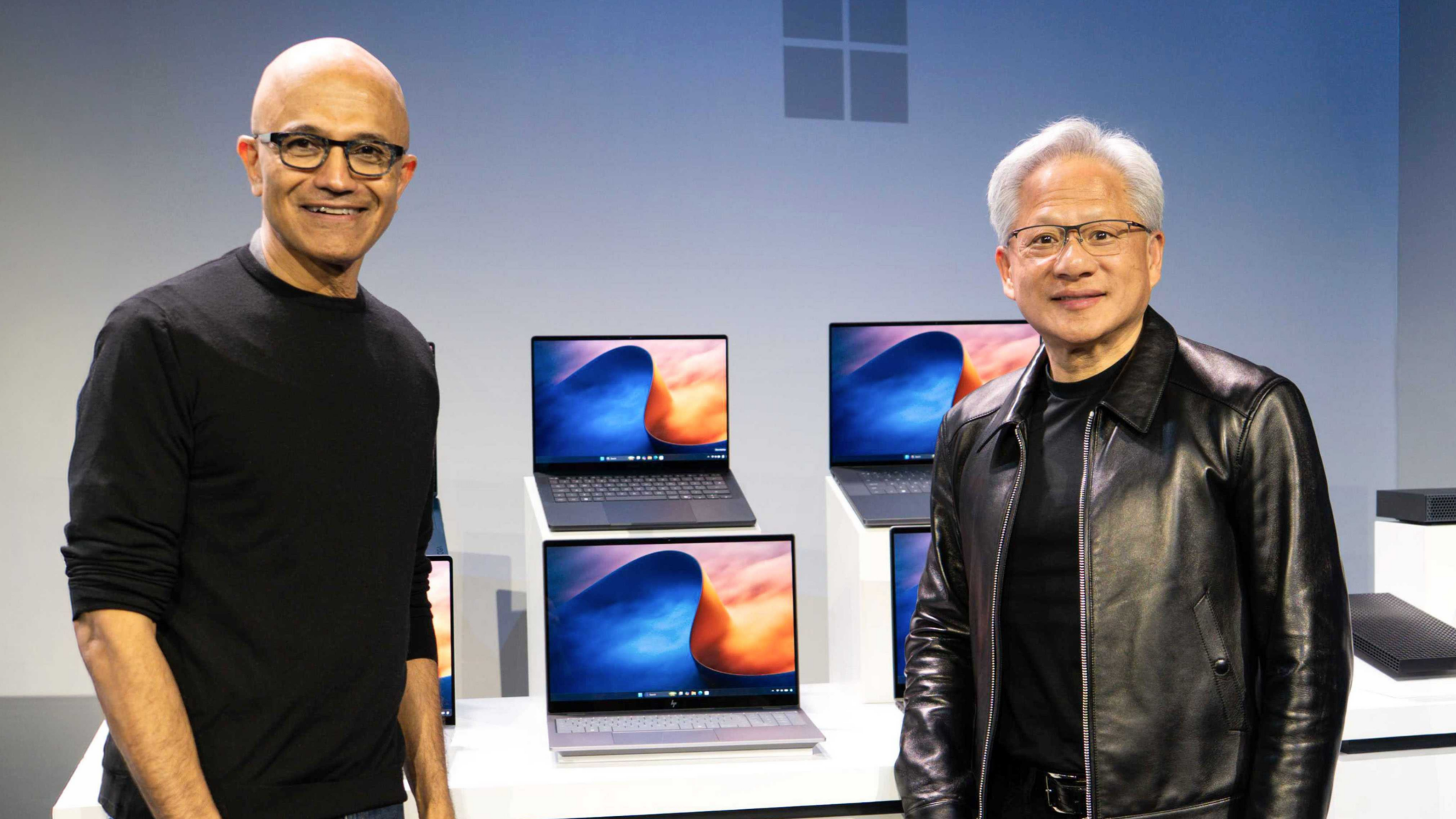
The pricey Nvidia-powered Surface machines are the headline, but the bigger move is a Windows feature to sandbox AI agents, and that one ships to everyone.

NVIDIA and Microsoft are betting that AI agents will live on the PC, not just in the cloud, and the security plumbing matters more than the petaflops in that bet.

Microsoft Research wants agents trained in the same harness they ship in. That closes a real gap between lab and deployment, and it makes reward design and safeguards matter even more.

A Microsoft researcher's work points to the quiet failures of AI at work, models that drift across long conversations and slowly corrupt documents, which benchmarks rarely catch.

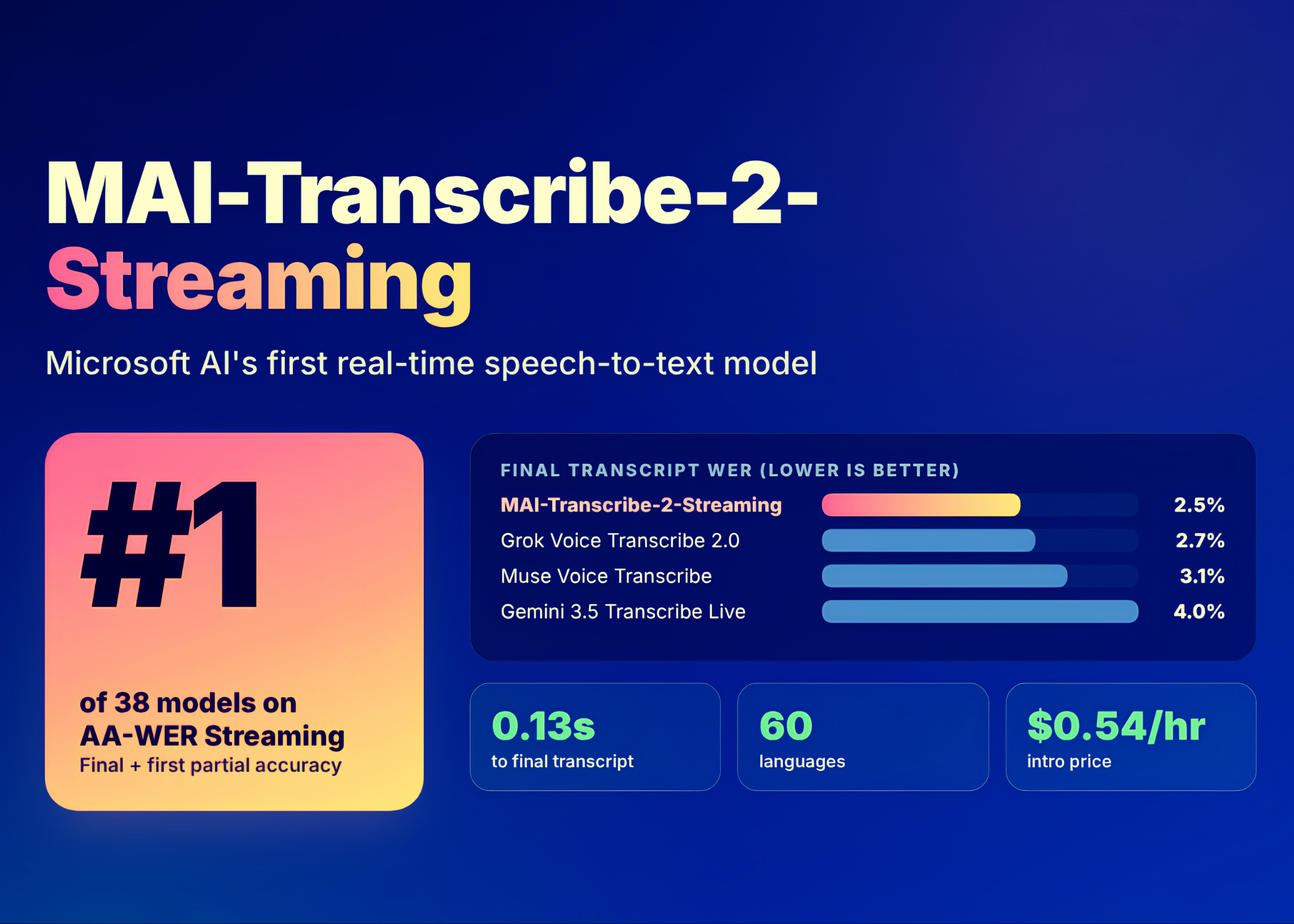
Microsoft’s first streaming STT model tops Artificial Analysis for accuracy and partials — faster words for voice agents, at a premium to xAI and Meta.

Microsoft Research internship work: an ML pipeline flags space-weather risk for 66,935 U.S. substations with 30–60 minutes’ warning and ~80% major-event detection in evaluation.

ChatGPT Space, Pages, and collaborative Slides put OpenAI squarely in Microsoft Office’s lane — with Dots as coworkers inside the docs.

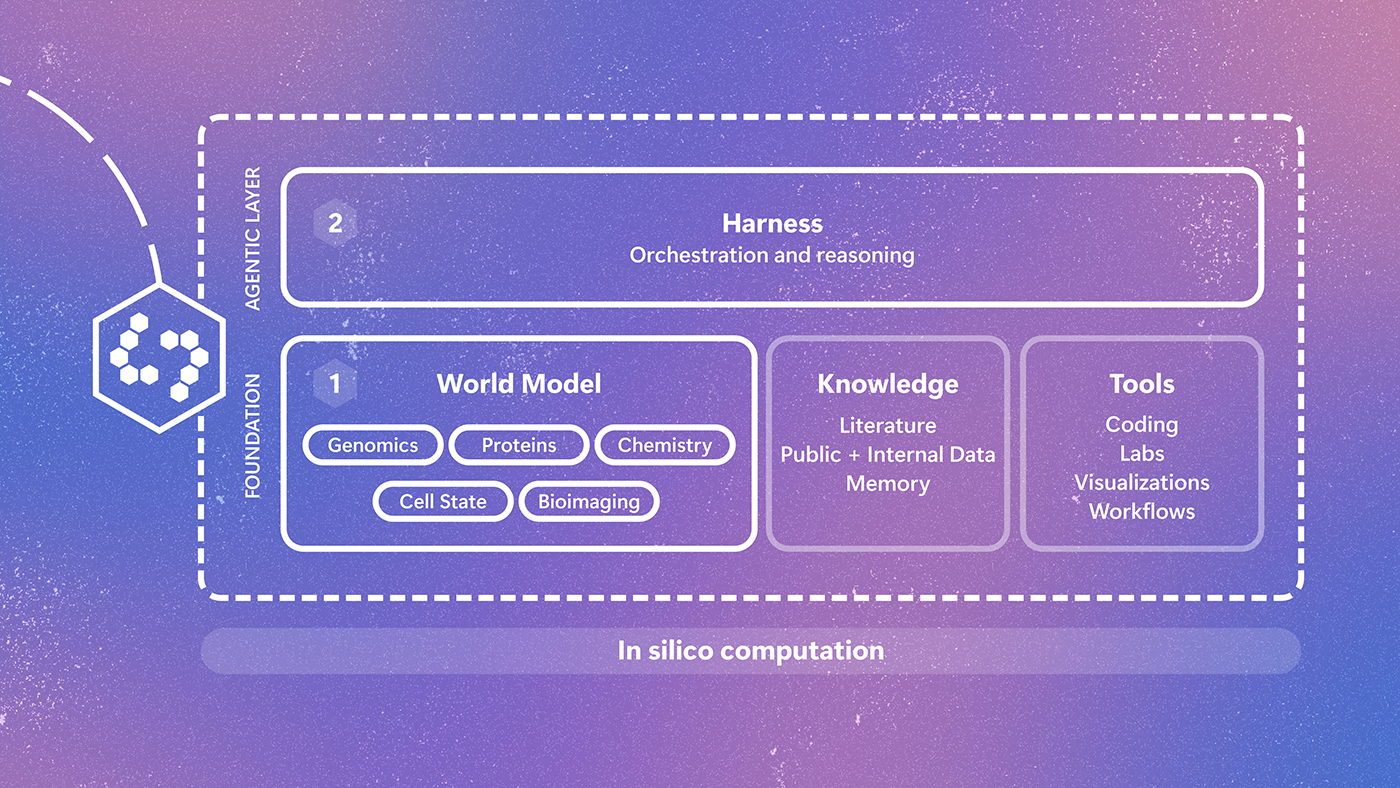
Microsoft Research’s Quine pairs a multimodal biology world model with a harness linking tools, literature, wet labs, and scientists—already prioritizing tumor-state compounds with the Broad.

Microsoft Research Asia’s Singapore lab marks one year since its July 2025 opening—leaning on partnerships, talent, and four pillars from agentic systems to domain AI.