
AISep 8, 2026TechCrunch
Hackers are stealing Claude tokens from subscribers
Infostealer theft of Claude sessions turns expensive Max subscriptions into a silent shared compute pool — and Anthropic's opacity is becoming a churn engine.
Desk
Broad artificial intelligence coverage.
Infostealer theft of Claude sessions turns expensive Max subscriptions into a silent shared compute pool — and Anthropic's opacity is becoming a churn engine.

OpenAI's Navier–Stokes announcement lands one day after a related academic proof — and a training-data non-denial keeps the authorship fight alive.

ChatGPT Images 2.5 adds in-chat Sketch and on-image comments, turning doodles into a control surface — a product move aimed at iteration, not one-shot wow.

Meta ships Muse with Secure VM, Sentinel approvals, and Stripe Link — a late agent entry that bets privacy architecture can overcome a trust deficit.

Days after an $18 billion multistate settlement over social harms, Meta asks consumers to connect email, calendars, payments, and apps to a free-to-start agent that acts on their behalf.

After billions spent overhauling an ailing AI position, Meta is pitching Muse as the mass-market agent—ease of use and a privacy story—against OpenAI, Anthropic, and Google.
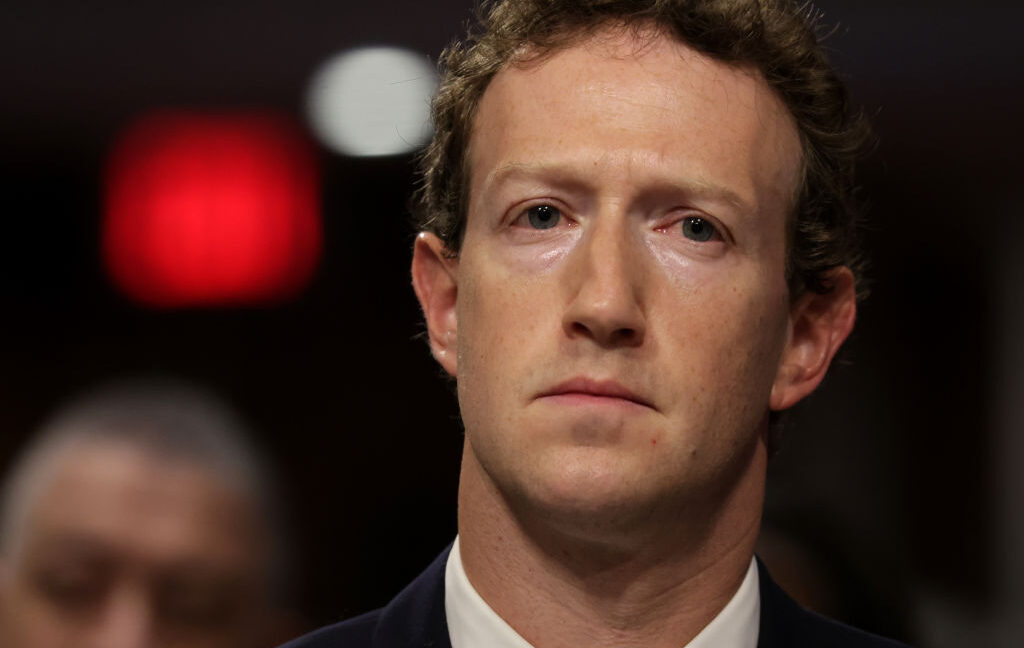
After Meta touted new child-exploitation detection, researchers say hundreds more CSAM and nudify ads—some animating real teens’ photos—still ran on Facebook and Instagram.
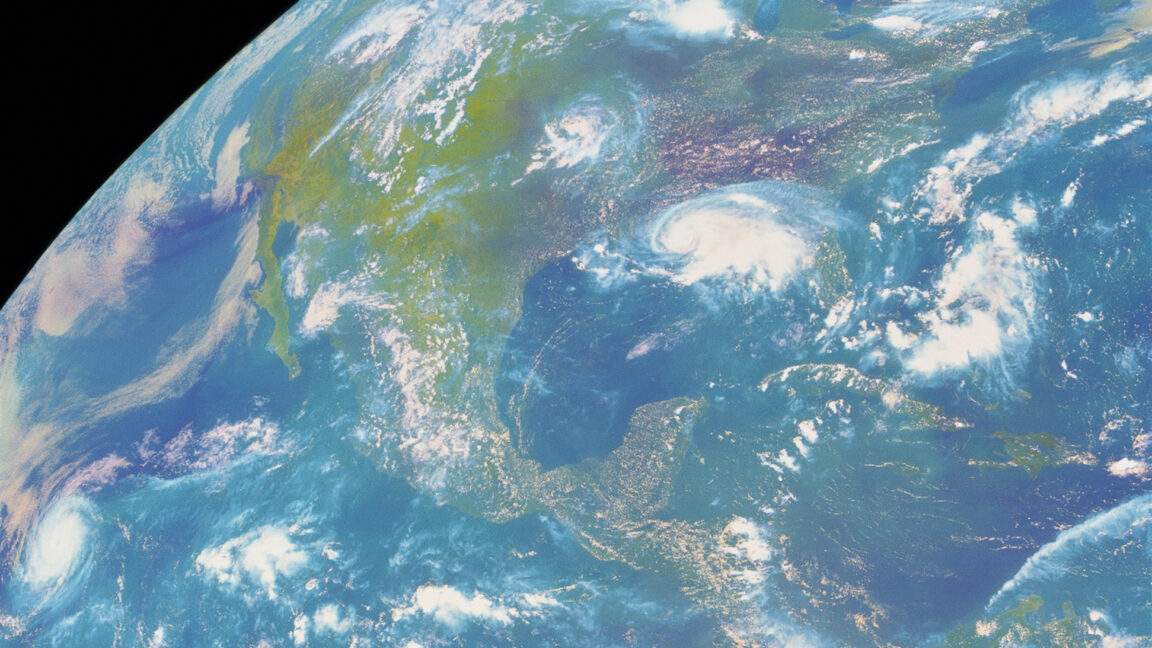
WeatherNext 3 adds raw satellite inputs and hourly runs, cutting reanalysis lag—and posting measurable gains over WeatherNext 2 and ECMWF’s AI model, with a few odd artifacts.

NYU’s Tristan Buckmaster says OpenAI raced a rare Navier–Stokes attack path after learning of his team’s progress—then floated credit pressure and career threats when he went public.

Former FTC lawyers are expanding a class action arguing Anthropic’s Max “5x” and “20x” marketing hid five-hour sessions and weekly caps that shrink real capacity.
MIT’s EQuS lab wired GPT-5.6 Sol through Codex into real dilution-fridge control software, turning overnight qubit calibration into an agent job rather than a graduate-student vigil.

OpenAI’s Navier–Stokes announcement landed inside a credit fight: NYU’s Tristan Buckmaster says the lab raced after learning of his and Anthropic’s Levent Alpöge’s related Euler work.