USA Today becomes the latest publisher to sue OpenAI
USA Today Co. joining the pile of publisher lawsuits against OpenAI shows the training-data fight is no longer about a few big names; it is about whether local journalism gets paid at all.
Desk
Broad artificial intelligence coverage.

USA Today Co. joining the pile of publisher lawsuits against OpenAI shows the training-data fight is no longer about a few big names; it is about whether local journalism gets paid at all.

Anthropic's usage-policy rewrite targets election interference, weapons and surveillance. The line that will get the attention, though, bans 'needless' cruelty toward Claude itself.
JetBrains shows how far reinforcement learning in real codebases can push a small open model. The benchmark jump is striking, and the numbers are still JetBrains' own.

Google's experimental Foresight app keeps meeting audio and notes on the Mac instead of the cloud, a small release that makes a strong case for private, local AI.

Google's universal Gemini agent wants to be a coworker with its own email address, which could genuinely lighten office work and also blurs who is accountable when an agent acts.

Google's AI Edge Foresight takes meeting notes without sending your meetings anywhere. On-device is the privacy story note-takers should have led with all along.

Pollo AI is selling small brands a luxury-ad look without the shoot. That is real access for tight budgets, and real pressure on the people who used to make those ads.

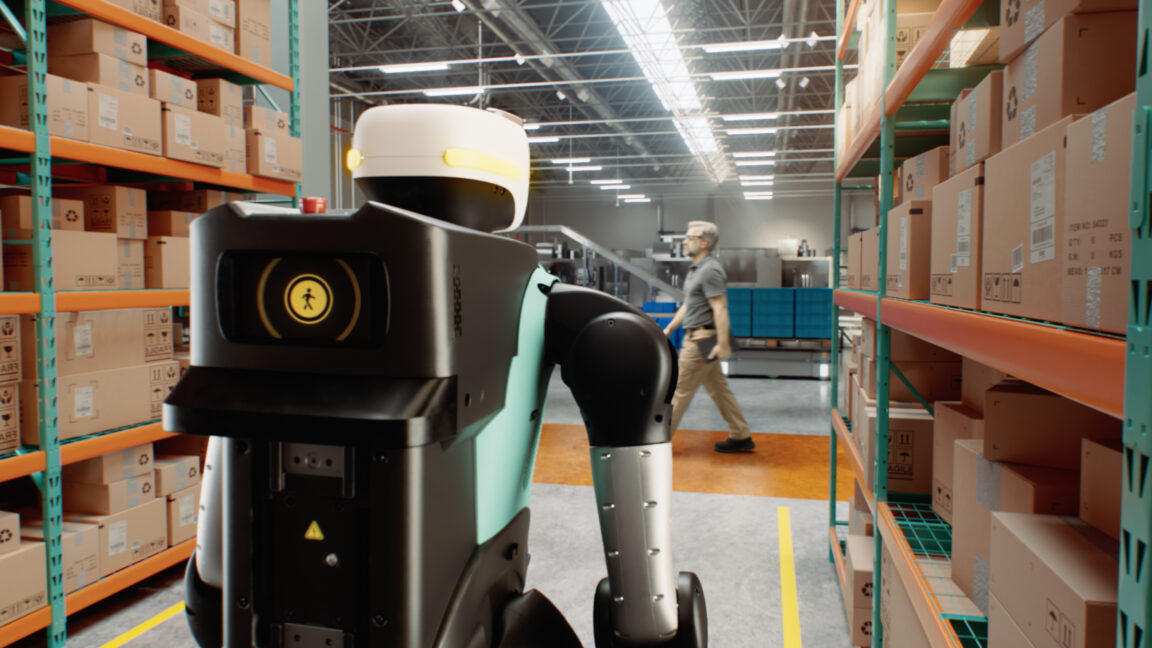
Nvidia wants to sell the safety layer for robots working beside people. That could speed up careful deployments, and it could also make one company the default arbiter of what safe means.

Robot brains really are getting smarter, but the gap between a lab robot almost air-frying a sweet potato and a reliable household helper is measured in years, not product cycles.
Architect wants LLM inference priced like a market, with providers bidding on every prompt. It is a sharp idea for cost, with real questions about quality and data.
NVIDIA-led research finds most failed agent runs hinge on one early wrong turn, and shows agents can be trained to climb back out. That is the reliability problem worth solving.

An AVEVA executive makes a sensible case for keeping humans in charge of industrial AI, but this is sponsored content, and the strongest numbers come from the vendor itself.